Climate Action Without Borders.
Climate change can feel too big to tackle. In his Earth Talk, Steve Bender came at it from the other direction: find the people already doing good work, connect them with others who can make that work stronger, and make it easy for good ideas to travel.
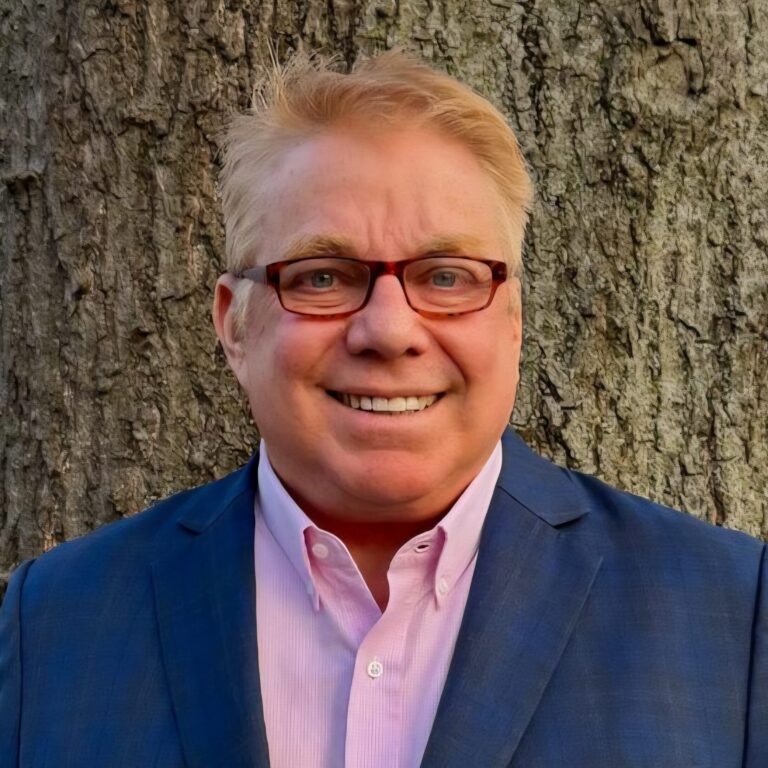
Steve Bender is President of the Rotary Club of Newport Beach, Chairman of the United States Green Chamber of Commerce, CEO of Sea 2 Sky Solutions and Global Head of Strategic Partnerships at EarthX. He previously served as Director for Western North America with the Environmental Sustainability Rotary Action Group.
Strengthen what already works.
Solving environmental problems does not always mean starting a new nonprofit or inventing a new program. Steve looks for groups already doing effective work on water, pollinators and climate education, then finds ways for several of them to work together so they can “lift each other all up together.”
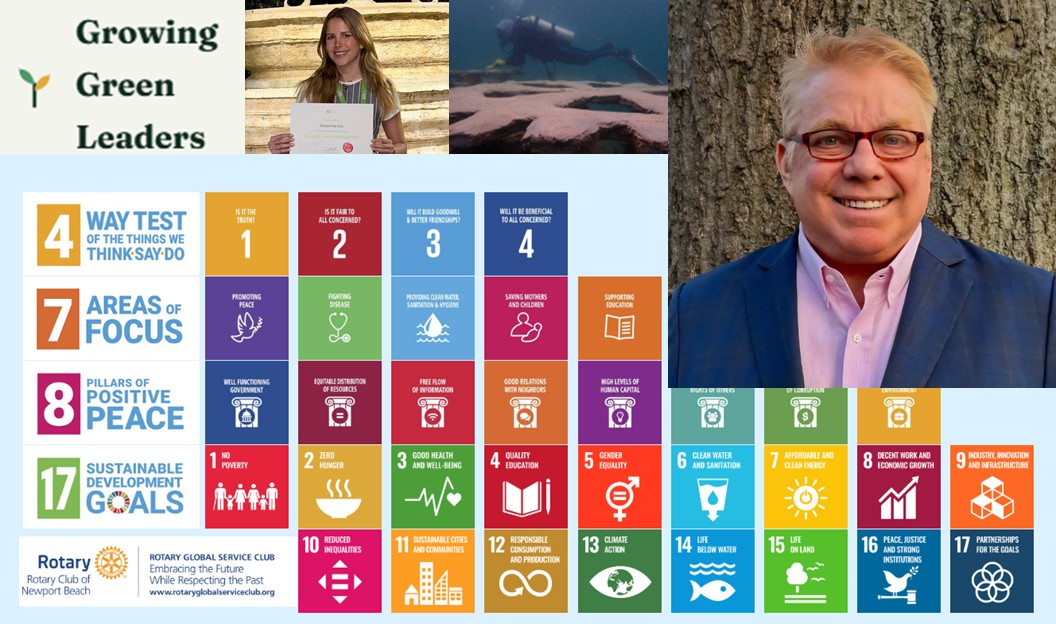
Growing Green Leaders is one example: a free, six month climate education and innovation challenge for schools, Interact and Rotaract clubs, built on ready made lessons and ending in an Earth Day showcase.
Give young people ownership.
Rather than handing young people a finished program and asking them to join, Steve encourages Rotarians to ask what they want to build.
“We have two ears and one mouth; we should use them proportionally.”Steve Bender
Follow problems across borders.
Rivers, wildlife and ecosystems cross borders, so solutions often must too. The Tijuana River work grew into The Alluvium Project, and Pollinators Without Borders protects monarch habitat along its whole migration, including helping connect communities in Mexico with wildfire training.
Make good projects easy to copy.
Through 100 Projects in 100 Countries and 47817.org, projects get a public showcase, introductions and partners. Steve also shared Ice in a Box, a solar ice idea for fishing villages where fishermen pay for ice and children get clean water for free.
Key takeaways
- Collaborate instead of duplicating programs that already work.
- Ask young people what they want to create, then build it with them.
- Think beyond your own boundary: upstream, downstream and across borders.
- Share successful projects so others can learn from them and copy them.
Watch and listen.
Adapted from the Earth Talks recap by Laurie Zuckerman.